Most months get one birthstone. June gets three: pearl, moonstone and alexandrite. People with June birthdays often ask me why they were handed a whole menu while their friends got a single stone. The answer has less to do with ancient tradition than with the modern jewelry trade, supply, and giving buyers a real choice. After fifty years in this work, I find the reason sensible once you see it.
The short version
June has three birthstones because the official lists were written by the jewelry industry, and they were written to be practical. A birth month tied to a single rare, expensive or fragile gem leaves a lot of people unable to buy their own birthstone. Adding alternatives fixes that. June is the clearest example: it pairs an ancient organic gem with a glowing mid-priced stone and a rare collector’s gem, so almost anyone can find a June stone that fits their taste and budget.
Where the birthstone list comes from
The modern birthstone list is not thousands of years old. The version jewelers actually use was standardized in 1912 by the National Association of Jewelers in the United States, and it has been revised since. Alexandrite was added to June in 1952, and moonstone has long been recognized alongside pearl as a June stone. So when you see three stones for June, you are looking at roughly a century of the trade adjusting the list to match what people could realistically buy and what was available to sell.
That industry origin is not a knock on birthstones. It just explains the pattern. Months with a costly or hard-to-source primary gem tend to pick up a friendlier alternative, which is why several months now list more than one stone.
Shopping for a June birthday? See my handcrafted abalone pearl rings and moonstone rings, or ask me about a custom piece.
The three June stones, and why each earns its place
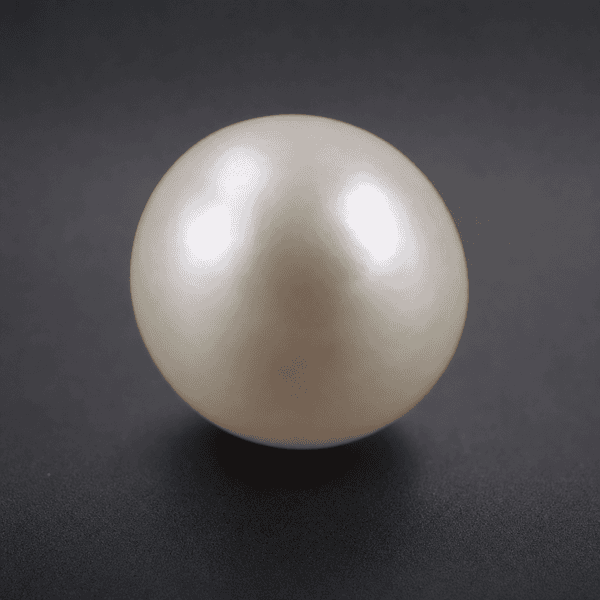
Pearl is June’s traditional stone and the oldest of the three. It is the only gem made by a living animal, formed inside an oyster or mussel rather than mined from the ground. Pearls are affordable in cultured form, deeply classic, and need no cutting to be beautiful. The trade-off is softness: a pearl is delicate and wants gentle wear. For most people, pearl is the easy, timeless way to wear June.
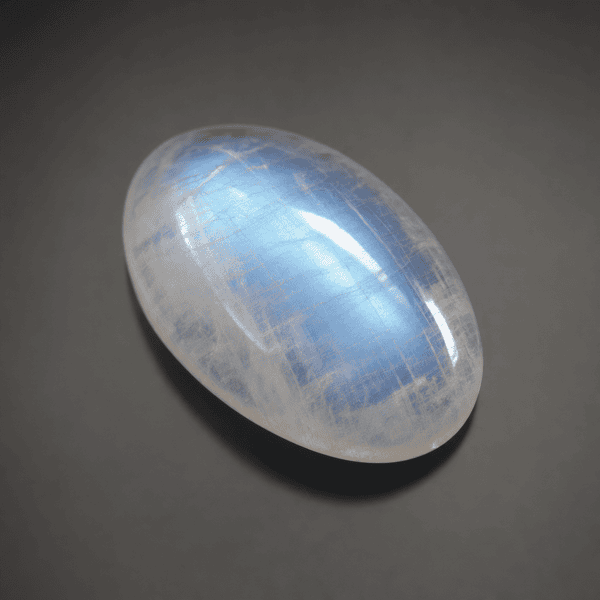
Moonstone sits in the middle. Its signature is adularescence, a soft floating glow of blue or white light that gives the stone its lunar name. It is more affordable than alexandrite, more durable in a ring than pearl, and carries a dreamy, slightly mysterious character that many June birthdays love. Moonstone gives the month an option with real personality at a fair price.
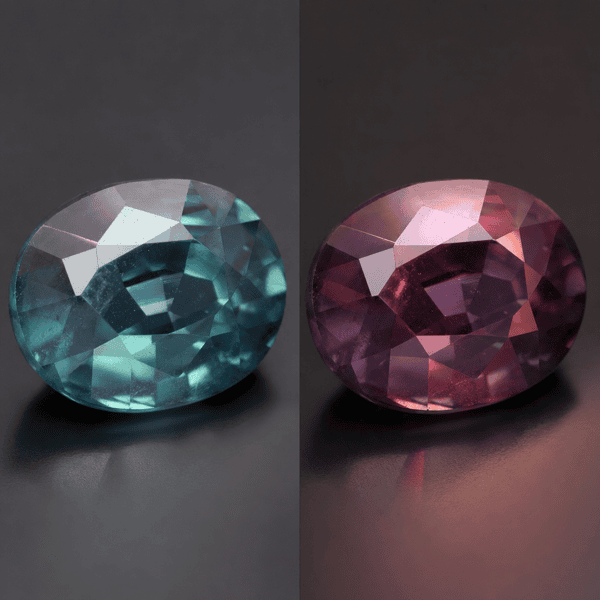
Alexandrite is the rare showpiece. It changes color, green in daylight and red under lamplight, and fine natural alexandrite is one of the scarcest gems on earth, priced alongside top ruby and sapphire. It was added to June in 1952 to give the month a high-end, collectible option. Most alexandrite sold now is lab-grown, which is an honest and sensible choice as long as the seller says so plainly.
Why three is actually useful
Look at what that lineup does. Pearl covers tradition and affordability. Moonstone covers the buyer who wants something unusual without a big price tag. Alexandrite covers rarity and prestige. A single birthstone could never stretch across all of that. So rather than forcing every June birthday to want the same thing, the three-stone list lets a gift suit the person: classic, dreamy or rare.
It also protects buyers from supply problems. Natural alexandrite is scarce, and fine natural pearls are not cheap either. Having moonstone on the list means there is always a beautiful, available, reasonably priced June stone, no matter what the market is doing.
Are all three “real” June birthstones?
Yes. This is the question I hear most, usually from someone worried they have to own the expensive one. All three are official modern birthstones for June. None outranks the others. You are free to choose pearl because it is classic, moonstone because it glows, or alexandrite because it is rare, and in every case you are wearing your true birthstone. There is no “main” June stone you are obligated to buy.
Which June stone should you choose?
I would choose by the wearer, not the rules. Pearl for someone who loves the timeless and understated. Moonstone for the romantic who wants something with a glow and a story. Alexandrite for the person who wants the rarest thing on the list and will appreciate the color change, bought from a jeweler who documents the stone.
If you would like to see the June stones I make by hand, my abalone pearl rings use natural California seawater pearls, each one unique, and you can see my moonstone rings in the shop. I do not stock alexandrite, but I am happy to build a June piece around a pearl or moonstone as a custom commission.
The takeaway
June has three birthstones because one was never enough to cover the range of June birthdays. Pearl, moonstone and alexandrite give you tradition, beauty and rarity at three very different price points, and all three are equally official. That is not a complication. It is a gift.
For more on each, read my full June birthstone guide, the deep dive on alexandrite, and what to pick for a solstice June 21 birthday. If you are shopping for the opposite end of the calendar, my October birthstone guide covers opal.
Thinking of a handmade pearl or moonstone piece for a June birthday? Get in touch and we will design it together.

Richard Lewis has worked at the jeweler’s bench for more than fifty years. He trained at the Revere Academy of Jewelry Arts in San Francisco and makes each piece in this shop by hand in his Santa Rosa, California studio. His specialty is natural opal and rare abalone pearls collected off the Mendocino coast over thirty years. More about Richard.