Rare Opal Varieties: Harlequin, Contra Luz and Other Prizes
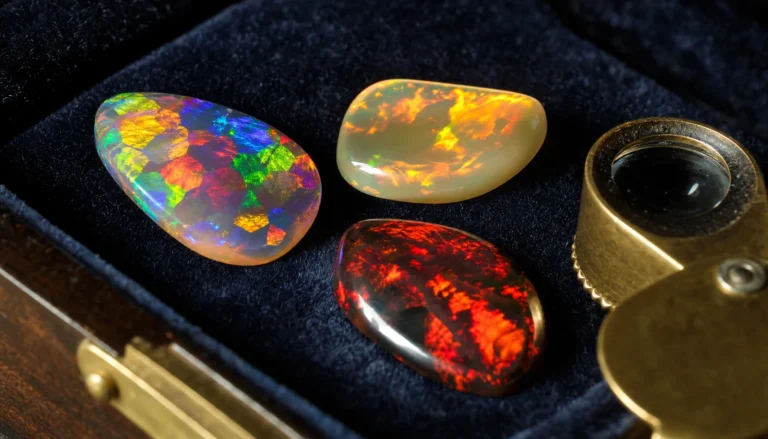
The rare opals collectors chase: harlequin, contra luz, red-on-black, Yowah nuts and Virgin Valley, and what makes each so sought after.
The rare opals collectors chase: harlequin, contra luz, red-on-black, Yowah nuts and Virgin Valley, and what makes each so sought after.
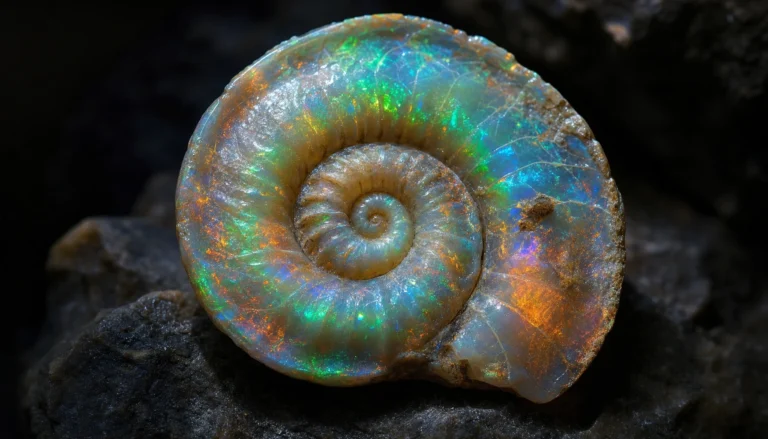
Opalized fossils are shells and bones that slowly turned to opal. What they are, how they form, where they are found, and whether you can wear one.
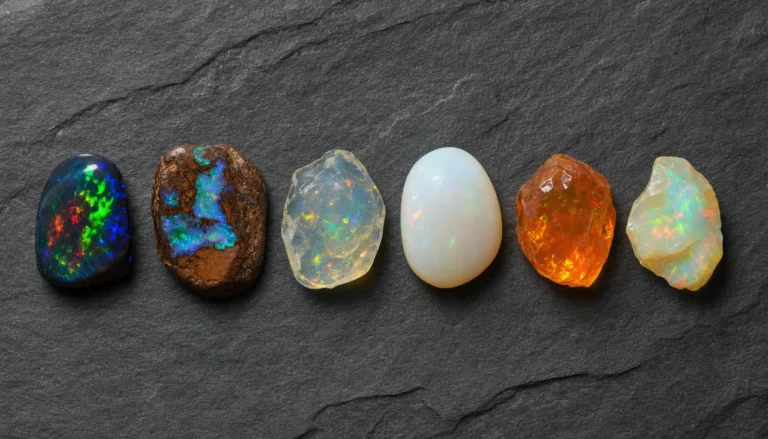
A complete, plain-English list of the types of opal, grouped by body tone, host rock and origin, with a word on doublets and which to choose.
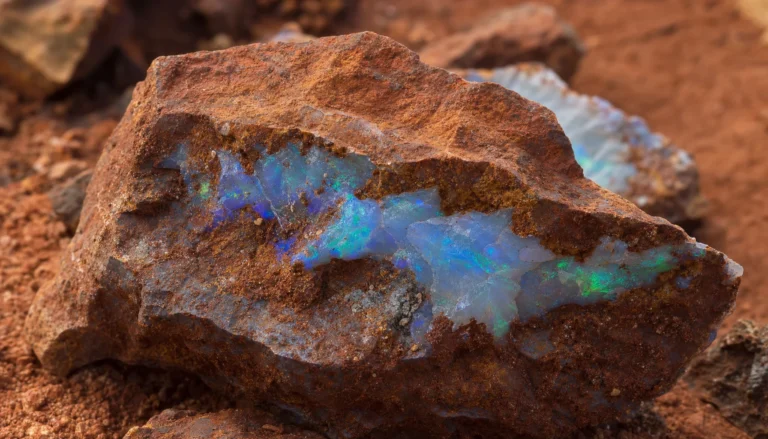
How opals form over millions of years from silica and water, where they are found, and how they are mined at Coober Pedy and Lightning Ridge.
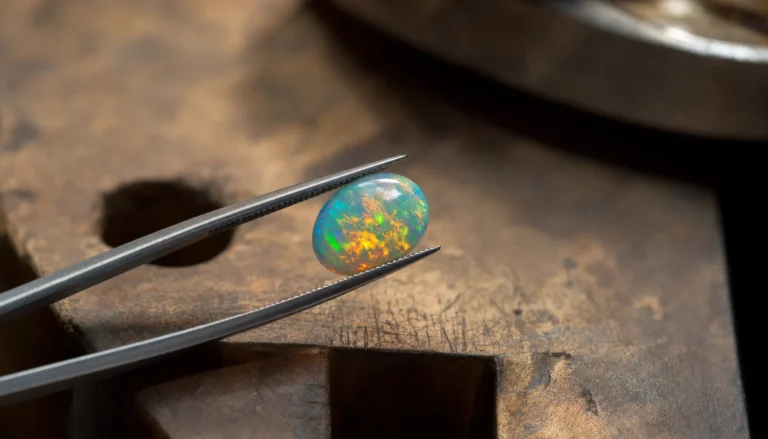
What is opal, in plain terms: what it’s made of, where the word comes from, the six forms a rough parcel turns up, and what counts as real opal.
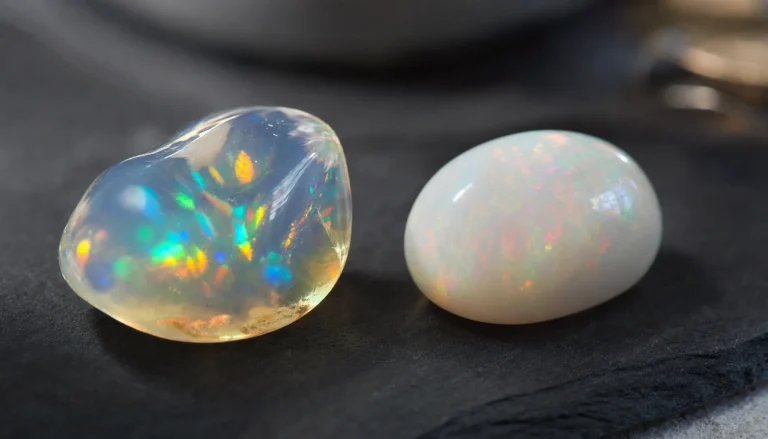
White and crystal opal explained: how the transparent crystal and milky white opals differ, where they come from, what they are worth, and who each suits.
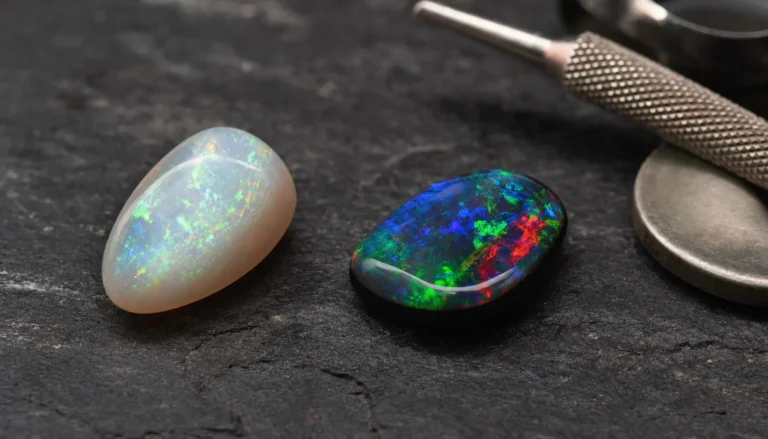
Australian opal, the benchmark of the opal world: the great fields (Lightning Ridge, Coober Pedy, Queensland), why it is so prized, and how it compares to Ethiopian.
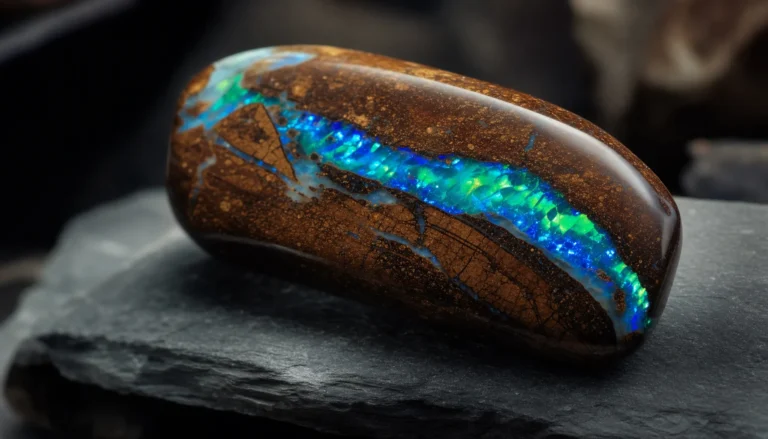
Boulder opal explained by a jeweler of 50 years: opal in ironstone, why the rock backing makes it tough and vivid, where it comes from, and why it is not a doublet.
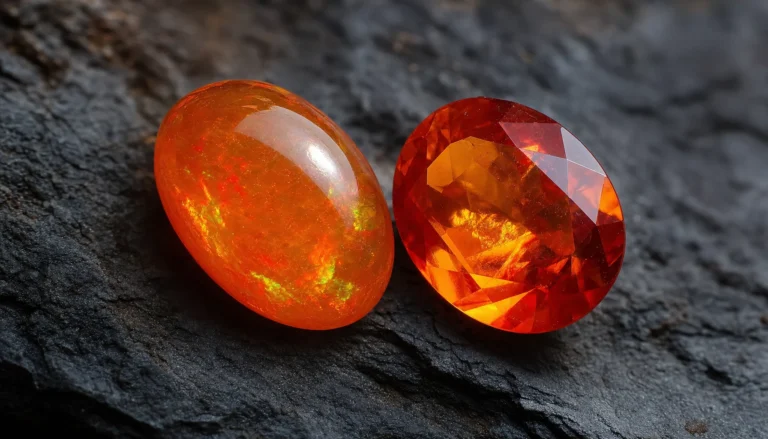
Fire opal explained by a jeweler of 50 years: what makes it glow, why it is named for body color not play-of-color, where it comes from, and how to wear it.
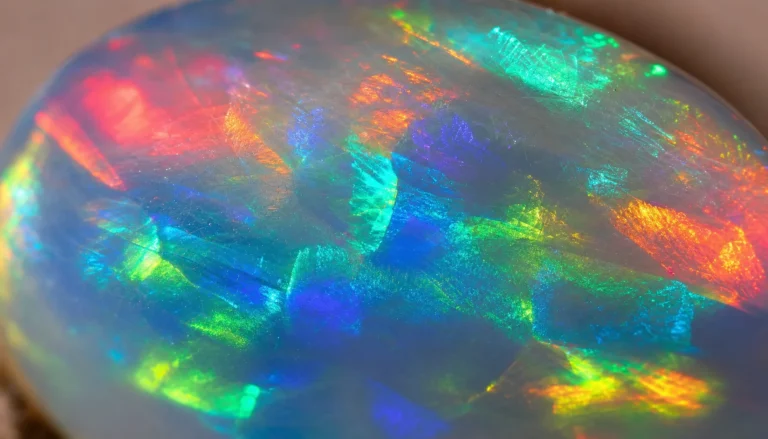
Opal colors ranked by rarity, with the silica-sphere physics behind play-of-color: why red is the rarest flash, which colors are common, and how pattern affects value.
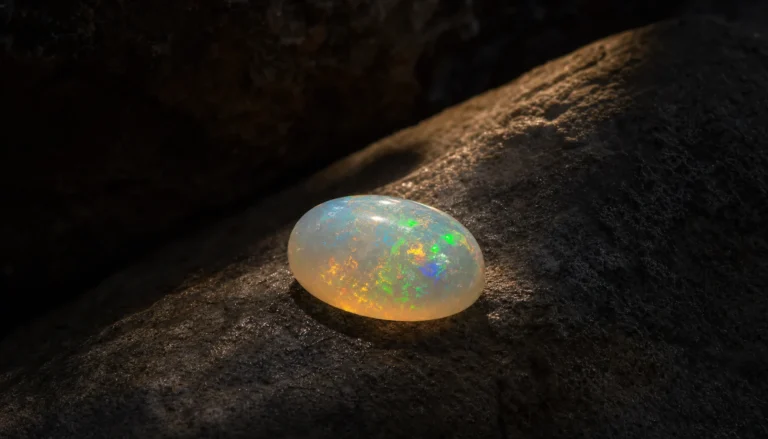
Opal meaning and symbolism: the folklore, the bad-luck myth debunked, opal as the October birthstone and 14th anniversary gift, and what opal represents.
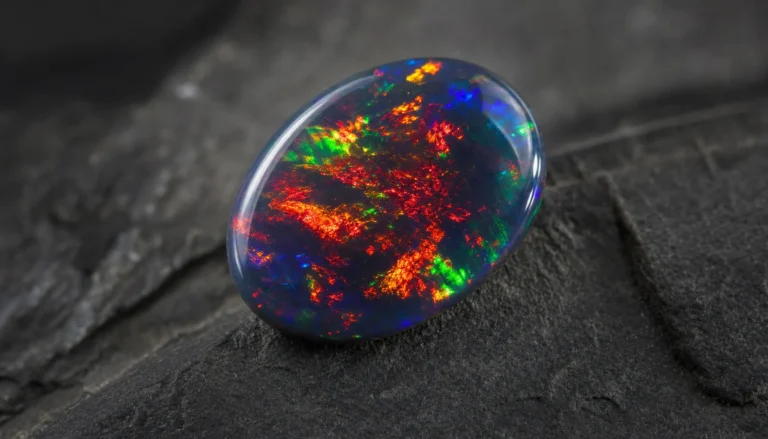
Why black opal is the most prized opal: what ‘black’ really means, where it comes from, and how to judge body tone, brightness, pattern and color.