Most Expensive Opal: The Record-Setting Stones Explained
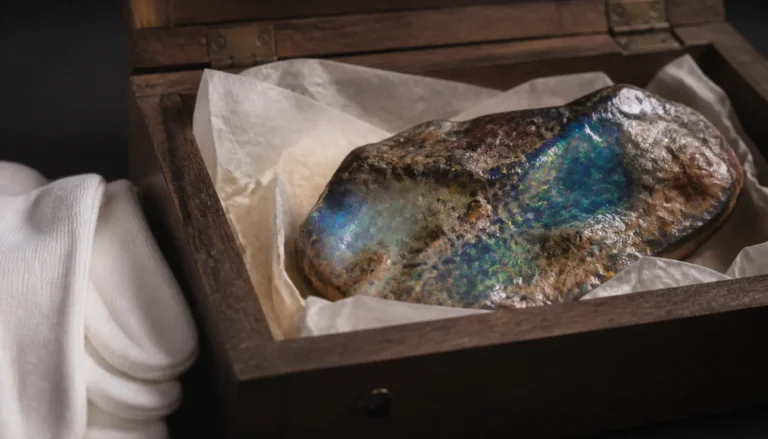
The most expensive opal ever found, from Olympic Australis to Aurora Australis, and what actually sets the price of the opal you can buy.
How to choose, compare and judge the quality of a gem or piece.
The most expensive opal ever found, from Olympic Australis to Aurora Australis, and what actually sets the price of the opal you can buy.
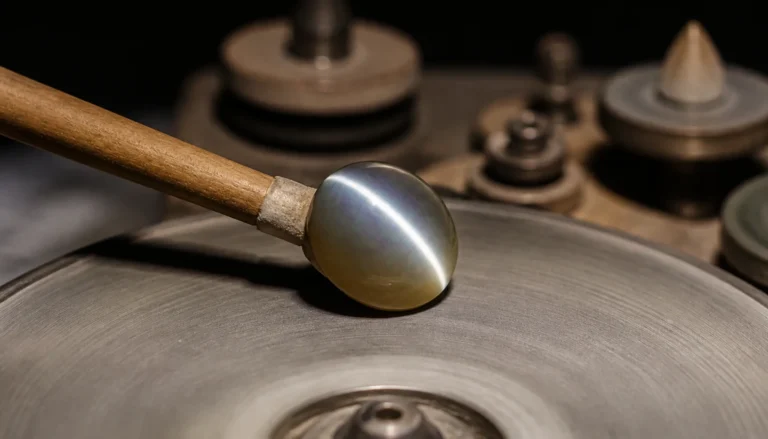
What causes cat eye opal’s chatoyant line, why it shows up in common opal, and how Peruvian and chocolate opal trade names fit in. A jeweler’s guide.
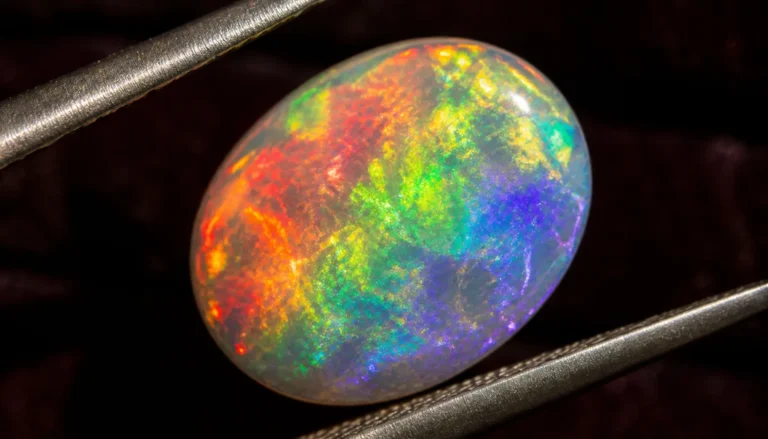
Aurora opal, galaxy opal and rainbow opal are not official grades. A goldsmith explains what sellers really mean and how to tell if it is real opal.
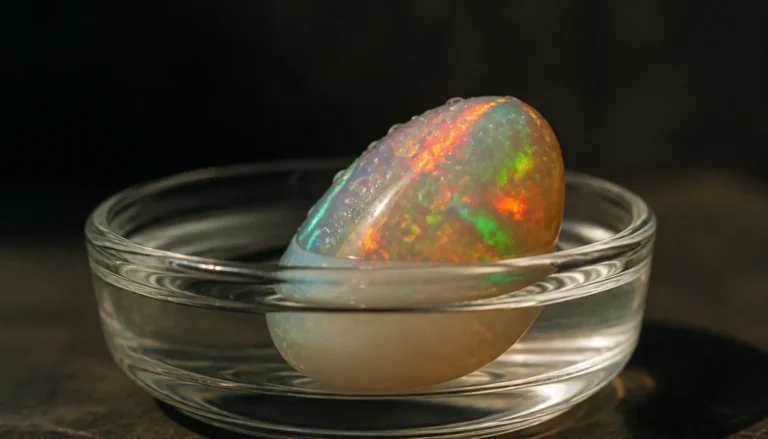
Hydrophane opal absorbs water and can cloud or discolor. A goldsmith explains why Ethiopian opal behaves this way, and how to care for it.
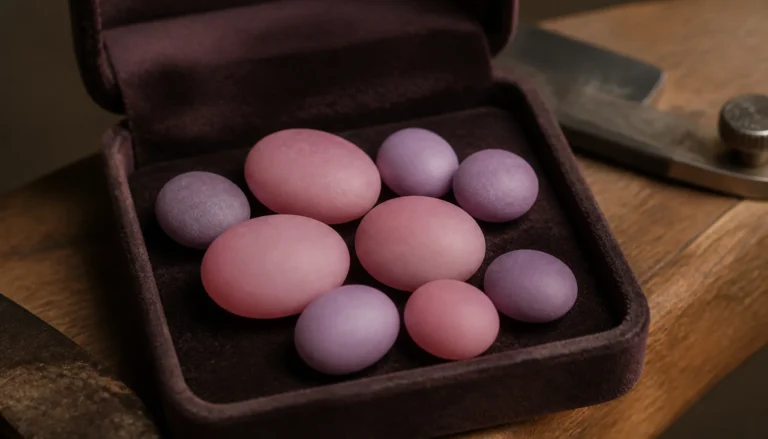
Pink opal and purple opal explained: the real Peruvian stone, how red opal differs, and what Mexican purple opal actually means.
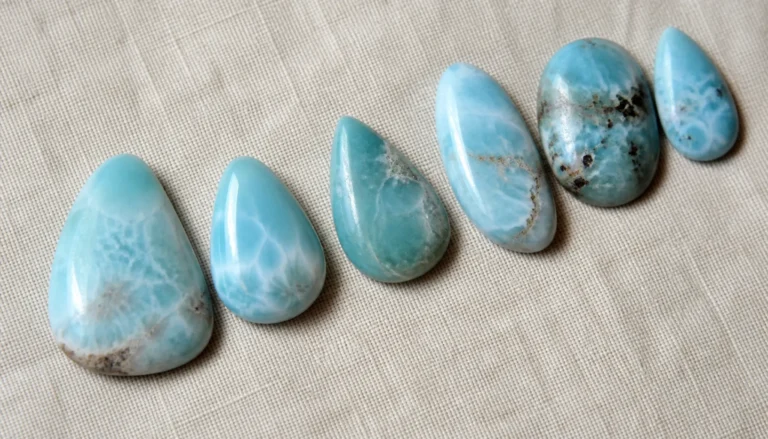
Blue opal explained: how Peruvian blue opal differs from precious opal with blue play-of-color, plus meaning and how each wears in a ring or necklace.
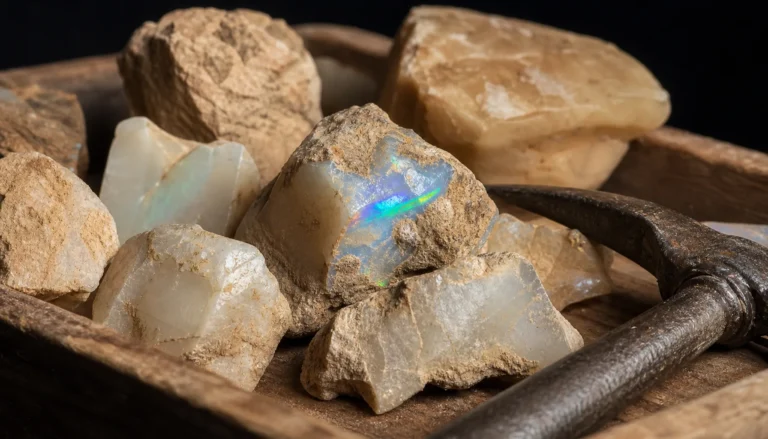
Opal mining explained: underground shafts, noodling, and the miners I buy rough from directly, from a working goldsmith.
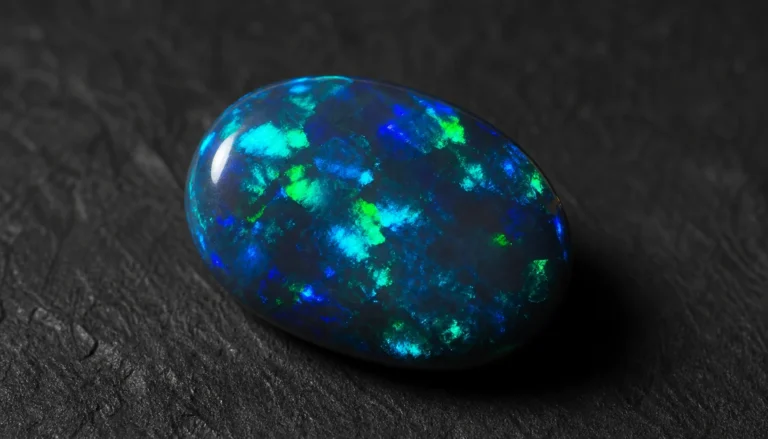
Dark opal explained: how it differs from black opal on the N1 to N9 body tone scale, and what that means for value, setting, and wear.
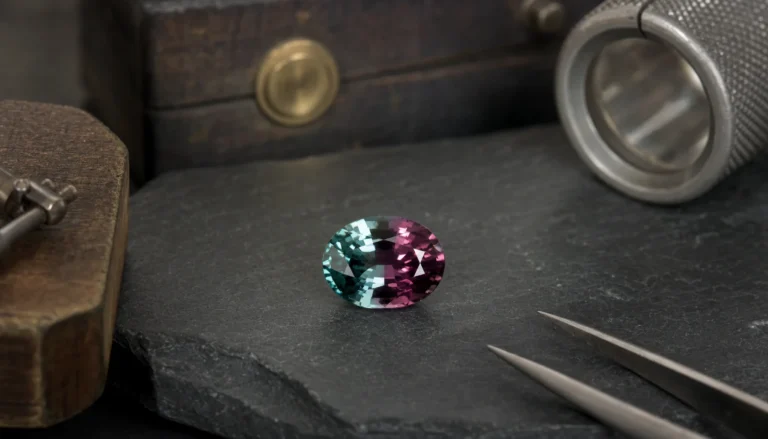
Alexandrite is June’s rarest birthstone, green by day and red by night. A jeweler explains the color change, its history, value, and natural versus lab-grown.
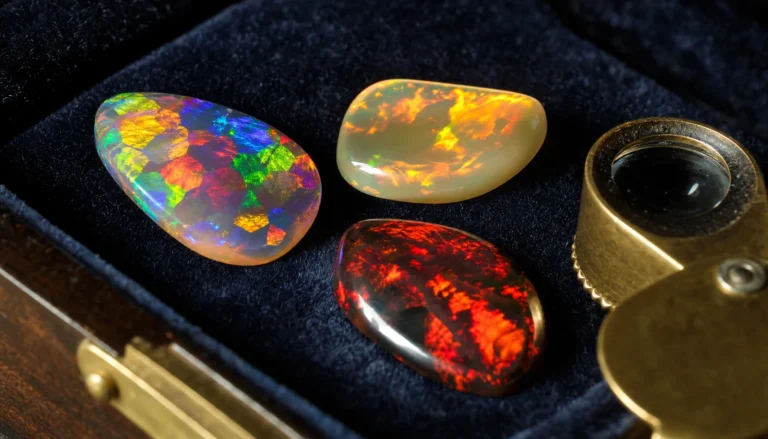
The rare opals collectors chase: harlequin, contra luz, red-on-black, Yowah nuts and Virgin Valley, and what makes each so sought after.
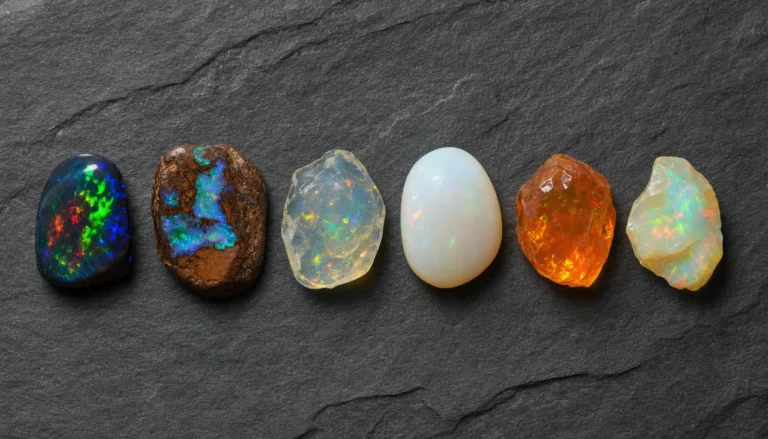
A complete, plain-English list of the types of opal, grouped by body tone, host rock and origin, with a word on doublets and which to choose.
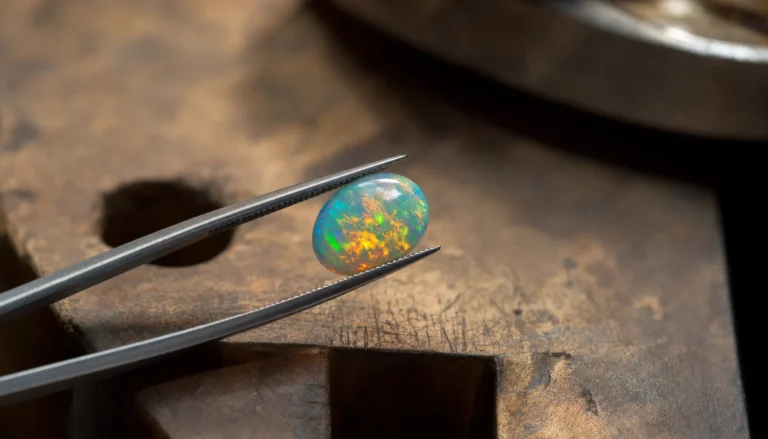
What is opal, in plain terms: what it’s made of, where the word comes from, the six forms a rough parcel turns up, and what counts as real opal.